Need epoxy garage floors in Crete?
- Understand epoxy, polyaspartic and concrete coating options
- Independent local providers
- Written quotes to compare
- No obligation
Phone lines open Mon-Fri 9am-9pm ET · No obligation
Request an estimate for your garage floor
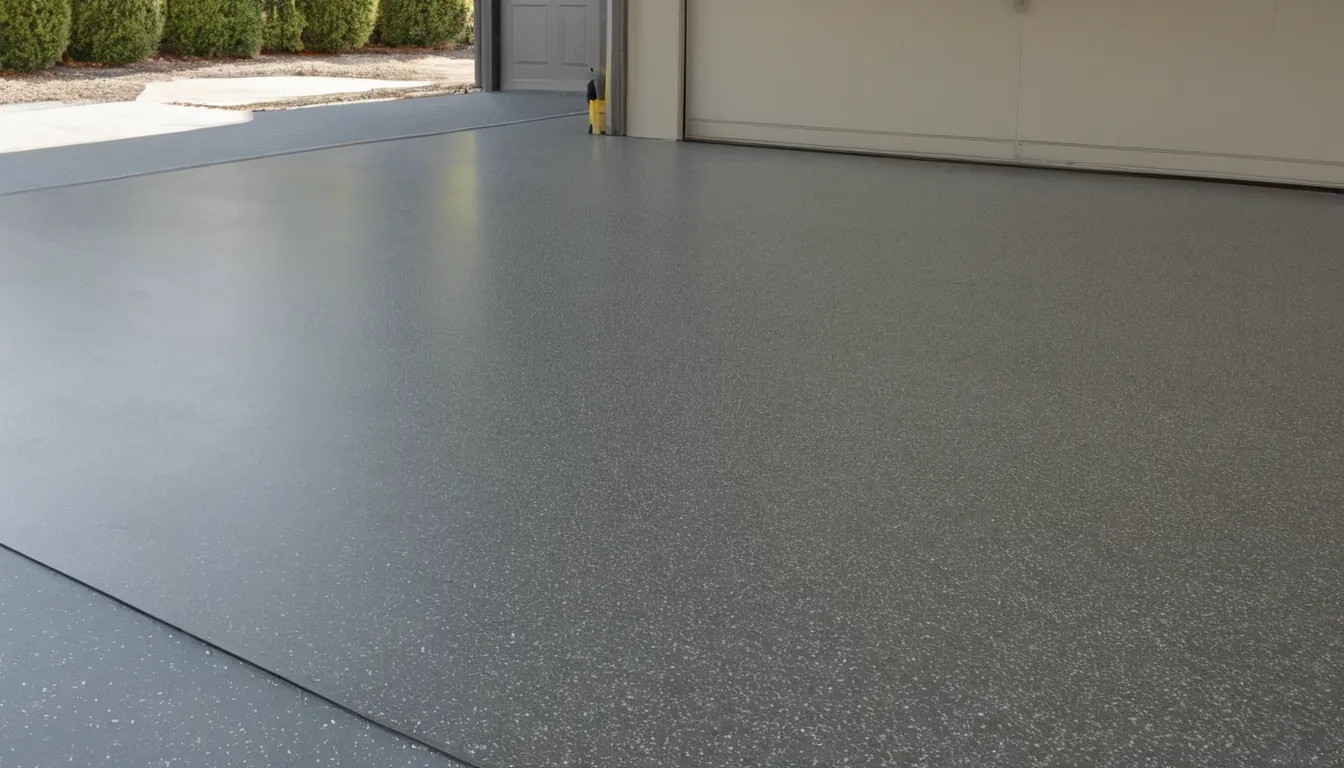
Epoxy garage floors turn a dusty, stained slab into a hard surface that wipes clean. The coating bonds to prepared concrete and resists oil, tire marks, and daily scuffs. It also brightens a dim garage and makes the space feel finished. Upcomingannual Floor Coating is a referral service. The independent providers in our network do the work, not Upcomingannual Floor Coating.
Before you hire anyone, it helps to know the choices. Systems differ in thickness, finish, and prep. This page explains what to check, what a typical job involves, and what to ask. Then you can request an estimate with no obligation and compare written quotes at your own pace in the Crete area.
Some problems matter more than others. Go through this list in order.
Moisture and crumbling come first. A new coating over a wet or weak slab will not hold.
Epoxy is a two-part resin. Mixed on site, it cures into a hard, glossy layer on the concrete. It is not paint. A proper system is thicker, bonds deeper, and takes a day or more to cure.
It is also a different trade from hardwood flooring installation. A garage slab brings moisture, vehicles, and temperature swings. Those shape every choice below.
Most failures start with poor prep, not poor resin. Ask any provider how they will prepare the slab. A solid plan usually has these parts:
1. Grind the surface so the coating can grip. 2. Clean off oil, grease, and old sealers. 3. Fill cracks and pits. 4. Test for moisture.
Coatings put on a smooth, dirty, or damp slab tend to peel within a season or two.
First, know the main types.
Pick based on how you use the garage, not only on looks.
Custom floor finishes cover color blends, flake density, and gloss level. Texture matters too. A little grit helps with wet shoes in winter. Ask to see a sample board in your own garage light, since colors shift under bulbs and daylight.
Here is the usual order. Your provider may adjust it.
1. Walkthrough: the provider checks cracks, moisture, and size. 2. Prep: grinding, cleaning, and repairs. 3. Primer: applied to seal and bond. 4. Color coat and flakes: rolled out and broadcast. 5. Topcoat: a clear layer for wear and shine. 6. Cure: the floor rests before use.
Many garages take two to four days from start to full use. Ask for the exact schedule in writing.
Standard epoxy can yellow when sunlight hits it through an open door or windows. A clear topcoat, often polyurethane or similar, helps protect color and scratch resistance. If your garage gets strong sun, ask which topcoat the provider plans to use and why.
Cold winters, road salt, and humid summers put real stress on a garage floor. Warm tires can lift weak coatings. Ask how the system handles freeze and thaw cycles, and whether it is rated for hot-tire pickup.
Request a callback to check provider availability in your area.
First, clear everything out. Next, move vehicles to the street or a driveway spot. Then handle these items:
Keep it simple.
A clean, sound garage floor reads as a well-kept home. A peeling one raises questions at resale. Doing it right once also avoids the cost of stripping a failed coating later.
A provider who answers plainly is a good sign.
Get at least two written quotes. Line them up by prep method, number of coats, topcoat, and square footage. A low number with a thin plan often means skipped steps.
You stay in charge. Take your time, read the details, and choose the provider and system that fit your garage. There is no obligation when you request an estimate.
Providers look for cracks, moisture, and old coatings before suggesting any system.
Grinding, cleaning, and crack repair so the epoxy can grip the concrete.
Solid color, flake, or metallic systems matched to how you use the garage.
A clear price covering prep, coats, topcoat, and cure time before work starts.
These are typical U.S. ranges and vary by job, slab condition, and region. Size, prep needs, and finish all change the total. Treat the numbers as a starting point and rely on a written quote for your garage.
| Item | Typical range | Notes |
|---|---|---|
| Single-coat epoxy, two-car garage | $1,200 – $2,800 | Simpler look, thinner build |
| Multi-coat flake system | $2,500 – $5,000 | Texture and better wear |
| Diamond grinding prep | $1 – $3 per sq ft | Often included in the quote |
| Crack and spall repair | $200 – $1,000 | Depends on damage extent |
| Clear topcoat upgrade | $300 – $900 | Helps with UV and scratches |
| Moisture barrier primer | $500 – $1,500 | Needed when slab tests damp |
Tell us about your garage size, floor condition, and any moisture or crack concerns.
A local provider in the network contacts you to discuss your floor.
Check prep method, coats, topcoat, timeline, and warranty terms side by side.
Pick the provider and system that fit your garage, then set a start date together.
Learn the system types and prep steps before any provider arrives to quote.
Independent providers in our network work across your wider area.
No obligation to hire. Compare quotes and choose when you are ready.
A sound floor protects the slab and helps the garage show well at resale.
With solid prep and a good topcoat, many last ten years or more. Lifespan depends on moisture, sun, tire traffic, and care. Ask the provider what wear to expect and what the warranty covers in writing.
Often yes, after repair and cleaning. Cracks get filled and oil stains are treated before coating. Deep damage or moisture may need extra steps. A provider can inspect the slab and explain what it needs.
Foot traffic is often fine after about a day, while cars usually wait longer. Cure times vary by product and weather. Ask your provider for a clear written timeline before work starts.
Ask a question or request an estimate. Request a callback to talk through your floor, Mon-Fri 9am-9pm ET, or use the request form.
Phone lines open Mon-Fri 9am-9pm ET · No obligation