Need polyaspartic floor coating services in Crete?
- Understand epoxy, polyaspartic and concrete coating options
- Independent local providers
- Written quotes to compare
- No obligation
Phone lines open Mon-Fri 9am-9pm ET · No obligation
Request an estimate and compare options
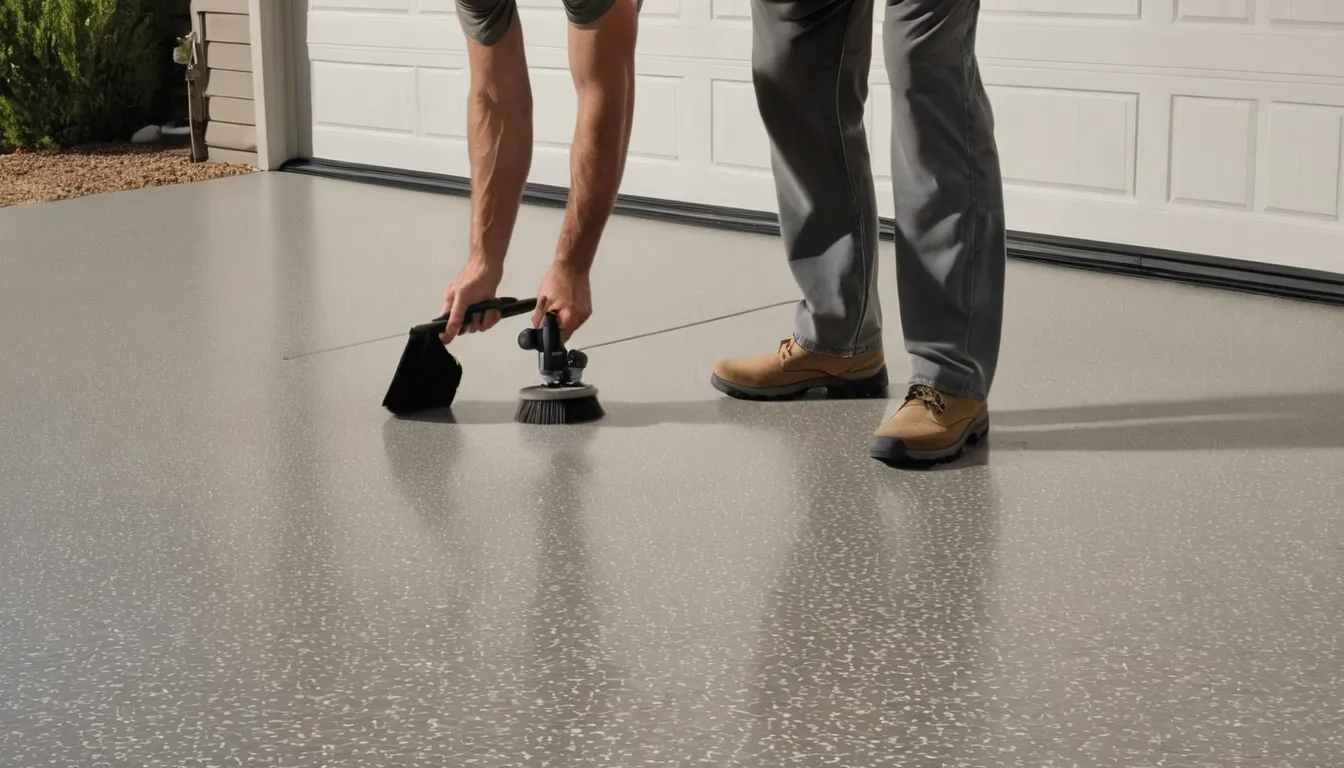
Polyaspartic is a clear or pigmented coating made for concrete. It cures faster than most epoxy, so a garage can often return to use sooner. It resists scuffs, sunlight and many household chemicals. Results still depend on the slab, the weather and the prep work.
Upcomingannual Floor Coating is a referral service. We do not do the work. We connect homeowners in the Crete area with independent providers who coat floors. This page lists the choices in order: what polyaspartic is, how it compares, what the job involves, and what to ask. Use it to get ready, then request an estimate with no obligation.
Polyaspartic is a floor coating that bonds to prepared concrete. It is often used as a topcoat. Some providers also use it as the full system. It is a cousin of epoxy, but it behaves differently while curing.
This page covers that one coating. Other pages on this site cover epoxy garage floors and general concrete coating.
First, know the timeline question. Many homeowners pick polyaspartic because it often cures faster than epoxy. Some jobs finish in one to two days. Others take longer.
Cure time depends on the product, the slab, the temperature and the humidity. Ask for a written schedule. It should say when you can walk on the floor, when you can park, and when you can add heavy loads.
Request a callback to check provider availability in your area.
Both coatings protect concrete. They differ in a few clear ways.
Neither is right for every floor. A provider can match the coating to your slab and how you use the space.
Next, choose the build. You will usually hear two options.
The provider uses polyaspartic for the base, the flakes and the topcoat. This can shorten the schedule. It can also raise the price.
The provider puts epoxy down as the base, then seals it with a polyaspartic topcoat. This mixes the thickness of epoxy with the sun and scuff resistance of polyaspartic. Many garage jobs use this build.
Ask each provider to name the product in every layer. Then compare quotes line by line.
A careful installation follows a set order. Use this list to check any quote.
Skipped prep is the most common reason a coating peels. A quote that never mentions grinding deserves a question.
Our region has cold winters with deep frost, hot humid summers, and storm seasons. Each one affects coating work.
Polyaspartic can cure in cooler air than many epoxies. Very cold or very humid days can still cause trouble. Concrete that is damp, or that sweats, can cause bubbles or poor bonding.
In homes with a sump pump or spring flooding, tell the provider. They may test the slab for moisture before they quote. Plan around storm forecasts too, since wind and rain affect an open garage door.
Garages are the usual starting point. It also suits other spots:
Be careful with a basement that has seepage. A coating cannot fix water pushing up through the slab. Address the moisture first.
Then, pick the look. Polyaspartic can be clear, solid color or flake-covered. Custom floor finishes can include metallic effects, stripes and borders.
Here is a quick list to bring to the first visit:
Ask for a sample board. Look at it in your own garage light, not only under store lights.
A floor done right once protects more than the surface. It guards the concrete from salt, oil and moisture. It also helps the garage look cared for when you sell.
A peeling or patchy floor can hurt that impression. Think of it like hardwood flooring installation inside the house. Prep and materials decide how long it looks good.
Keep upkeep simple.
Hot tires can mark some floors. Ask the provider how your coating handles heat. Get care instructions in writing.
Take this list to each visit:
Get answers on paper.
First, know options. Next, compare quotes. Then, decide calmly. Use the form to request an estimate with no obligation.
Ask how soon you can walk on the floor and park on it.
Polyaspartic topcoats tend to hold their color in garages that get bright sunlight.
Grinding, crack repair and moisture checks come before any coating goes down on concrete.
Choose clear, solid or flake finishes with a sample board in hand.
These are typical U.S. ranges. Real prices vary with slab condition, size, product and finish. Treat the numbers as a starting point, and always get a written quote that lists each layer and each task.
| Item | Typical range | Notes |
|---|---|---|
| Full polyaspartic system, per sq ft | $6 – $12 | Often costs more than epoxy alone |
| Epoxy base with polyaspartic topcoat, per sq ft | $5 – $10 | Common hybrid build for garages |
| Two-car garage, typical total | $2,500 – $5,500 | Depends on size and flake coverage |
| Diamond grinding and prep | $1 – $3 per sq ft | Heavier for old sealers and stains |
| Crack and joint repair | $200 – $800 | Based on number and width of cracks |
| Metallic or custom finish upgrade | $2 – $6 per sq ft | Added labor and materials |
Tell us about your floor, garage size and what you want it to look like.
We pass your request to an independent provider who serves your area.
Check products, prep steps, cure times and the warranty side by side.
Pick the provider and schedule that fit your home, budget and season.
Learn how polyaspartic, hybrid and epoxy systems differ before you talk with anyone.
Providers in our network set their own quotes, schedules and methods.
Compare line by line, so each layer and task is clear.
Request an estimate and decide on your own timeline.
Polyaspartic often cures faster than epoxy, and some garage floors are ready for light foot traffic within hours. Vehicles usually need longer. Timing varies with temperature, humidity and product, so ask the provider for a written cure schedule.
Not always. Polyaspartic cures quickly and resists sunlight, but it can cost more. Epoxy builds a thicker layer. Many garages use a hybrid, so ask providers to explain each option.
Not every slab is ready. Cracks, old sealers, oil and moisture can cause failures. A provider should inspect the concrete, grind the surface and test for moisture before giving a written quote.
Ask a question or request an estimate. Request a callback to talk through your floor, Mon-Fri 9am-9pm ET, or use the request form.
Phone lines open Mon-Fri 9am-9pm ET · No obligation